

Eco-Friendly Architecture in Modern Metropolises
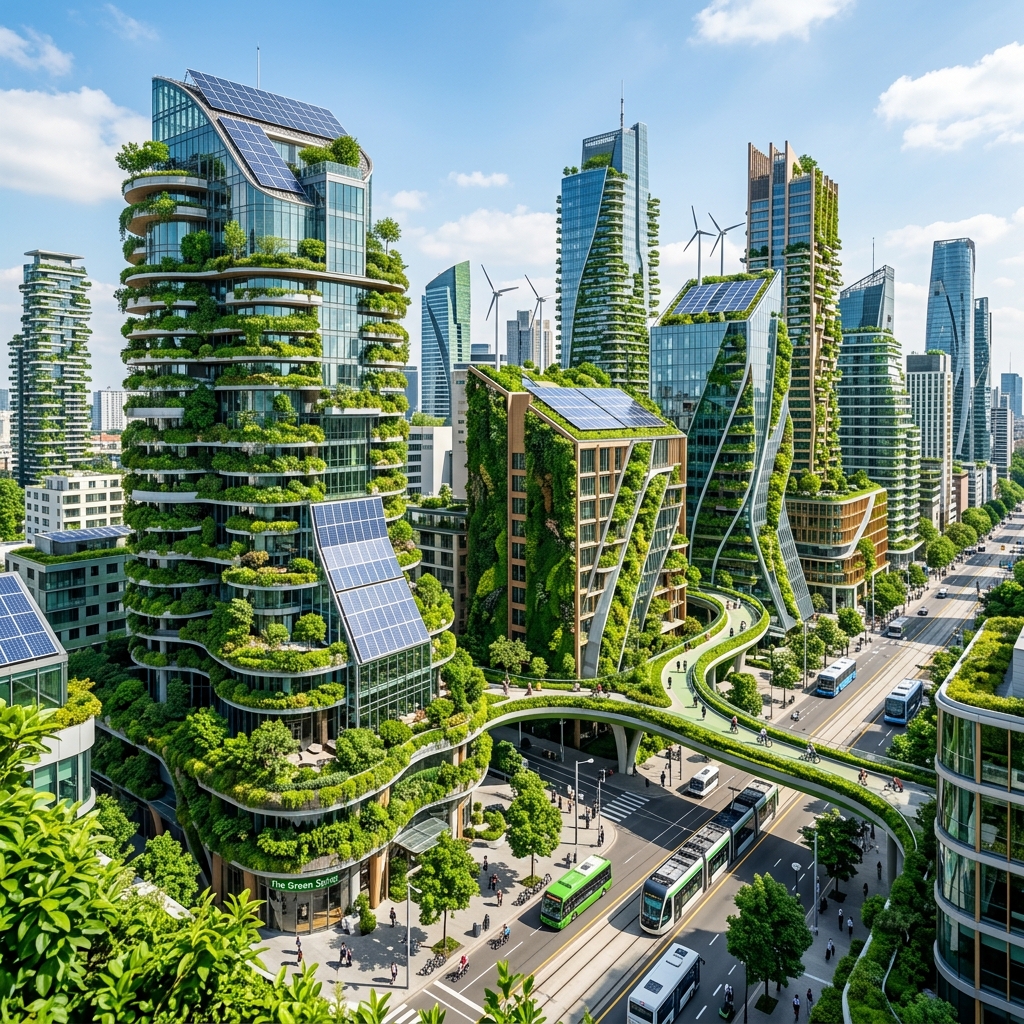
As urban populations continue to expand rapidly, the traditional design paradigm of concrete, steel, and asphalt is facing an unprecedented ecological crisis. Metropolises worldwide account for more than seventy percent of global carbon emissions, consuming vast amounts of energy while generating heat islands that raise temperatures across surrounding landscapes. To counter these challenges, a new wave of visionary architects is championing eco-friendly architecture—a holistic design philosophy that seeks to transform high-density urban spaces into self-sustaining, vibrant vertical ecosystems.
The Vertical Forest Paradigm
At the center of this architectural revolution is the concept of the vertical forest. Rather than treating green spaces as isolated parks at the ground level, architects are integrating vegetation directly into the structural envelopes of high-rise residential and commercial towers. Terraces are reinforced to support deep soil beds, hosting a carefully curated selection of local trees, shrubs, and perennial plants. This vertical greenery serves multiple critical functions: it absorbs tons of carbon dioxide annually, filters airborne particulate matter, and releases fresh oxygen directly into the urban microclimate. Furthermore, the foliage acts as a natural thermal shield, insulating the building envelope during the cold winter months and cooling it through evapotranspiration during hot summers, dramatically reducing energy demand for artificial air conditioning.
Active and Passive Solar Integration
Modern sustainable buildings are no longer passive consumers of electrical grids; they are designed to act as micro-power plants. This is achieved through the dual application of active and passive solar techniques. Passive solar design optimizes the building's physical orientation, window placement, and thermal mass to capture natural warmth and daylight during winter while shielding the interior from excessive summer heat. Active solar systems, on the other hand, utilize building-integrated photovoltaics (BIPV) embedded directly within glass curtain walls, rain screens, and roof structures. These advanced thin-film solar panels blend seamlessly into the building's facade, generating clean electricity without compromising structural aesthetics or day-to-day comfort.
Circular Water Systems and Greywater Recycling
Water conservation is another cornerstone of modern eco-architecture. Traditional buildings discard municipal water after a single use, routing it directly into municipal sewage networks. In contrast, sustainable high-rises utilize advanced greywater recycling systems that treat wastewater from sinks, showers, and laundry cycles on-site. Through natural bio-filtration systems—often housed in indoor vertical green walls or specialized rooftop wetlands—greywater is purified to a standard suitable for toilet flushing and landscape irrigation. When combined with smart rainwater harvesting reservoirs built into subterranean foundation vaults, these circular water systems reduce a building's overall municipal water demand by up to sixty percent, mitigating the strain on local natural reservoirs.
A Sustainable Vision for the Future
The transition toward eco-friendly architecture is not merely an aesthetic trend; it is a vital strategy for the long-term survival of our global communities. By treating buildings as active components of the natural biosphere rather than static artificial barriers, we can create cities that are resilient, biodiverse, and healthy. Vertical forests, integrated solar skins, and circular water loops prove that high-density urban development and environmental stewardship can coexist in perfect harmony. As we design the metropolises of tomorrow, the principles of eco-friendly architecture will serve as our guide, showing us how to construct vibrant urban spaces that nourish both human lives and the natural planet we share.